Our Blog

Do You Have A Cavity?

May 13th, 2020

Sometimes cavities are hard to avoid. Our team at Dallas Dental Arts wants you to know you aren’t alone when it comes to getting cavities. They can appear in both children and adults, and in order to avoid the pain and hassle, you need to understand how they form and what to do to prevent them from developing in the first place.

Cavities form when bacteria, acids, or sugars build up and form plaque on your teeth, which can destroy your enamel. When you don’t brush and floss properly, the build-up can cause cavities to form. In essence, a cavity is a decayed part of your tooth that cannot be repaired by your body’s immune system. This is why a dentist will need to treat your cavity with a filling. If it grows for too long and manages to infect the root of your tooth, a root canal may be the only solution.

Cavities are often symptom-free; you might not experience any pain at first, other than the occasional irritation when you drink a hot or cold beverage. Other signs of possible cavities include persistent bad breath, pus or discharge around a tooth, black or brown discoloration, small pits or holes in a tooth, and perhaps a sticky feeling when you bite down. It’s crucial to treat cavities sooner rather than later if you wish to avoid excessive pain and the necessity of a root canal.

You can avoid cavities by keeping up with good oral hygiene, eating a well-balanced diet, and scheduling regular cleanings with Drs. Sheena Allen, Murat Ayik, and Mark Margolin. They can still occur at any time, no matter what age you are, so make sure to brush, floss, and rinse every day. If you notice any of the above symptoms, please contact our Dallas,TX office and schedule an appointment.


Road Trip!

May 6th, 2020

The bags are packed, the trunk is loaded, the route is programmed into your GPS, the playlist is set, and your destination awaits! Sometimes there’s just nothing more appealing than a road trip. So, to make your trip even more enjoyable, here are some dental tips to help keep you feeling clean and fresh over the long haul.

  • Fuel Up

If you’re bringing some road snacks, be sure to include a few that will help clean teeth and freshen breath. Packing a supply of bottled water helps you stay hydrated, washes away food particles, and eliminates the bad breath caused by dehydration. Carrots and apples are not only nutritious and tasty, they apply a bit of gentle scrubbing action to your enamel as you chew. Traditional travel favorites like granola bars, beef jerky, and chips tend to stick to the teeth and provide cavity-causing bacteria a leisurely feast, so enjoy them in moderation. (If you’re driving, save the snacks for a rest stop—not only is eating while driving prohibited in some areas, it’s a distraction you don’t need on the highway.)

  • Roadside Diners

The occasional sticky, sweet, or chewy indulgence is fine at home, but when you have hours in the car ahead of you, you might want to turn down the pecan pie, the giant pretzels, and the roadside sea salt caramels. Again, cavity-causing bacteria love sugars and simple carbs, and food that finds its way into tooth crevices finds its way onto their menu. And, it goes without saying, passing up garlic, onions, and spicy foods will help your mouth feel fresher longer—and make your travel companions happier.

  • Car Wash

Bring a travel-sized toothbrush and tube of toothpaste with you for a quick cleaning when you stop for a break. A ventilated case will keep your brush dry (bacteria like damp conditions) and away from questionable surfaces. Disposable mini-travel brushes are available that come with a bead of cleaner pre-loaded and ready to use—you don’t even need water for a cleaner mouth and fresher breath. Food particles do not make good travel buddies so don’t forget dental picks or floss. And if you can’t brush right away, try a rinse with water or chew a piece of sugarless gum. Sugar free gum can help stimulate saliva production, which is a good way to wash away food particles and neutralize acids in the mouth.

  • Roadside Repair

Even with the best preparation, accidents can happen. That’s why you have a spare tire and a lug wrench in your trunk. It pays to be prepared for a dental emergency on the road as well. There are dental travel kits available in stores and online, or create one for yourself. Along with your first aid kit, pack dental picks, antimicrobial wipes, sterile gauze, a mirror, and any other supplies you think might come in handy. If you wear braces or a retainer, be sure to include dental wax in case of an uncooperative wire, and a case to protect and keep track of your retainer. And it’s a good idea to keep our Dallas,TX office’s number on hand in case of emergency.

It’s a big country, and cruising the streets and highways is a wonderful way to explore it! But if you’re having any dental problems, be sure to see your dentist before taking off—after all your preparation, you don’t need a dental emergency to ruin your trip. Then, pack your bags, load your trunk, set your GPS, pick a playlist with something for everyone, and get ready to enjoy happy travels and healthy smiles!

Airplane Oral Health Tips

April 29th, 2020

What’s in your carry-on bag? You’ve got your passport, ticket, and currency, but what about dental floss? Of course! You’re preparing for the trip of a lifetime, and we want to help make sure everything goes according to plan.

Part of your preparation before a long vacation should be a complete check-up at our Dallas,TX office well in advance of your trip. If there is dental work to be done, now is the time to do it. No one wants to be stuck over the Atlantic with a toothache, and changes in atmospheric pressure can cause serious problems if you have a severely compromised tooth. Tell us when you are planning on traveling, and we can schedule any procedures that should be finished before you fly.

Now that you have the all clear to travel, what about maintenance once you’re on board for a long flight? Some airlines provide toothpaste and brushes for travelers. If you have questions about the quality of the water in the airplane restroom, use bottled water to brush. There are also single-use mini-brushes available for travelers that come loaded with paste and ready to use without any water at all. Crisp fruits and vegetables can help clean teeth on-flight if brushing isn’t an option, and drinking plenty of water will not only keep you hydrated, but help cleanse your mouth and teeth as well. Be sure to travel with floss, a travel-sized tube of toothpaste, and a brush in a well-ventilated container in case you face airport delays between flights.

Taking your electric toothbrush with you? Usually there is no problem bringing your electric toothbrush in your carry-on, but do check in advance to make sure this is allowed on your flight. Most electric toothbrushes have region-specific battery chargers, so find out in advance if you will need a voltage converter or plug adaptor if you are visiting another country. Check to make sure the head is in good condition before you go and replace it if necessary.

Once you’ve landed, try to keep your dental routine as close to normal as possible while you enjoy your visit. Regular brushing and flossing are still necessary, especially if you take the opportunity to explore the local desserts. We’ve given you some tips to make your flight more comfortable—now that you’ve reached your dream destination, the rest is up to you!

Baby Teeth and Cavities

April 22nd, 2020

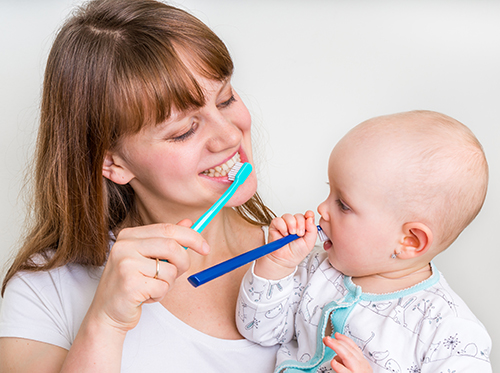
We know how frustrating it can be to discover your child has one or more cavities when you come to visit Dallas Dental Arts. There are several ways to prevent baby teeth from forming cavities due to decay. Not to worry: If your child does develop a cavity on a baby tooth, Drs. Sheena Allen, Murat Ayik, and Mark Margolin can help take care of the problem.

Let’s look at how cavities on your little one’s teeth can be prevented from developing in the first place. Most often, children suffer decay from eating sugary foods. You may think, “My child doesn’t eat lots of candy!” In truth, fruits and juices have plenty of natural sugars that can break down teeth if they aren’t brushed thoroughly.

A well-balanced diet that includes calcium and phosphorous is necessary to keep your child’s oral health in a good state. If your son or daughter drinks juice, avoid giving it before bedtime and dilute the juice with water. Good options for snacks include vegetables, low-sugar yogurt or dairy products, and plenty of milk for healthy teeth.

Another excellent preventive strategy consists of scheduling regular appointments with Drs. Sheena Allen, Murat Ayik, and Mark Margolin for your child. Between your youngster’s annual cleanings, make sure he or she brushes and flosses every day. It’s worthwhile for your little one to brush thoroughly for at least two minutes to remove any decay or plaque that has accumulated in the mouth, especially before bedtime.

Brushing Techniques

  • Move the brush both back and forth, and in circular gentle strokes.
  • Brush the outer surfaces, inside surfaces, and chewing surfaces of all teeth.
  • Place the toothbrush at a 45-degree angle to the gums.
  • Brush the tongue to remove excess bacteria and keep breath fresh.

It’s not always possible to prevent cavities from appearing in your son or daughter’s mouth. If your child does develop a cavity, our staff will notify you during the regular scheduled cleaning.

The cavity will need to be eliminated, even when it appears on a baby tooth. Our staff will remove the decayed part of the tooth and fill in the hole so your child doesn’t have to experience any pain.

You may wonder why a baby tooth has to be fixed if it is eventually going to fall out. Baby teeth hold spaces where your child’s permanent teeth have to grow in. If the former aren’t taken care of, multiple teeth may shift and the permanent ones won’t be able to grow in properly.

If you still have questions or concerns about your child’s baby teeth, or notice signs of a cavity, please don’t hesitate to contact our Dallas,TX office and schedule an appointment. Remember, preventive steps can be taken to avoid bothersome cavities from forming in your child’s mouth.
2100 Ross Ave Suite 960
Dallas, TX 75201
(214) 999-0110

Office Hours:

Monday — Friday:
8:00am to 4:00pm