Our Blog

Just What Is Plaque?

June 16th, 2021

From the time you were small, you’ve been warned about the dangers of plaque. Why? Because:

  • It’s an unappealing film that sticks to your teeth
  • It causes cavities
  • It causes gum disease

And really, do we need to know much more than this to motivate us to brush? But if you’re in a curious mood, you might be wondering just how this soft, fuzzy film accomplishes all that damage. Let’s take a closer look at the sticky problem of plaque.

How does plaque form?

We live with hundreds of species of oral bacteria, most of which are harmless, and some of which are actually beneficial. But when our oral ecosystem gets out of balance, problems can occur. For example, without regular and thorough brushing and flossing, we start to build up plaque.

Plaque starts forming within hours of your last brushing. And even though plaque fits the very definition of “seems to appear overnight,” this biofilm is actually a complex microbial community with several different stages of development.

  • It starts with saliva.

Saliva is vital to our oral health, because it keeps us hydrated, washes away food particles, neutralizes acids in the mouth, and provides minerals which keep our enamel strong. Saliva also contains proteins, which help form a healthy, protective film on the tooth surface. This film is called a pellicle.

  • Bacteria attach to the pellicle.

There are species of oral bacteria that are able to attach themselves to the pellicle film within hours of its formation. As they become more firmly attached, they begin to grow and divide to form colonies, and are known as the early colonizers of the plaque biofilm.

  • A complex biofilm forms.

If you’ve skipped brushing for a few days (please don’t!), you’ll notice a fuzzy, sometimes discolored film on your enamel—that’s a thriving plaque community, and it only takes a matter of days to go from invisible to unpleasant.

If you’re not removing plaque regularly, it can harden further and become tartar. And once you have tartar buildup, you’ll need the care of a dental professional to remove it.

  • What happens if we ignore plaque and tartar?

We get cavities and gum disease.

How does plaque cause cavities?

  • The bacteria in plaque, like all organisms, need nutrients.

Our normal oral environment and the food in our everyday diets provide the nutrients plaque needs. And, as we mentioned above, certain types of oral bacteria convert these nutrients into acids. Foods such as carbohydrates, starches, and sugars are most easily converted into acids, which is why we recommend that you enjoy them in moderation.

  • The biofilm promotes acid production.

Within the plaque film, anaerobic bacteria (bacteria which don’t use oxygen) convert sugars and starches into acids. As the plaque film becomes denser, it blocks acid-neutralizing saliva and oxygen from reaching these bacteria close to the tooth’s surface, creating an ideal environment for the bacteria to produce their acid waste products.

  • Acids attack enamel.

The sticky nature of plaque keeps these acids in contact with tooth enamel, where, over time, acids dissolve minerals in enamel, weakening the mineral structure of the tooth.

How does plaque cause gum disease?

  • Bacteria cause inflammation and gingivitis.

The bacteria in plaque irritate the delicate tissue of the gums, which causes an inflammation response which can leave your gums swollen, red, bleeding, or tender. This early form of gum disease is gingivitis. Fortunately, good dental care and careful brushing and flossing can usually prevent and even eliminate gingivitis.

  • Plaque and tartar can lead to periodontitis.

When plaque and tartar build up around and below the gumline, the gums pull away from the teeth, leaving pockets where bacteria collect, leading to infection as well as inflammation. Infections and constant inflammation not only harm gum tissue, they can destroy the bone supporting the teeth. This serious gum condition is periodontitis, and should be treated immediately to avoid further infection and even tooth loss.

How do we fight plaque?

From the time you were small, you’ve learned how to fight plaque:

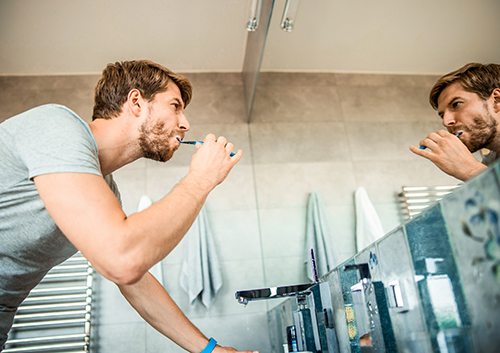
  • Brush at least twice a day for two minutes, and be sure to brush all of your tooth surfaces and around the gumline.
  • Floss to remove plaque from between the teeth and near the gumline.
  • Visit our Dallas,TX office for a thorough professional cleaning.

Be proactive. If you have any questions, talk to Drs. Sheena Allen, Murat Ayik, and Mark Margolin about the best way to keep plaque at bay. We can show you the most effective ways to brush and floss, recommend anti-plaque toothpastes and rinses, even suggest plaque-revealing tablets if you’re missing some trouble spots.

We’ve only brushed up on some plaque basics, because there is a lot more to discover about this complex biofilm. Happily, even with all there is to learn about plaque’s growth and development, it’s reassuring to know that getting rid of it is quite simple—with just a soft-bristled brush, some dental floss, and a few minutes of your time each day, you’re on the way to a healthy, happy, plaque-free smile.

Beneficial Beverage or Damaging Drink?

June 9th, 2021

Talking about a healthy diet usually means talking about food. After all, our teeth and gums need protein, vitamins, and minerals to stay strong and free from cavities and gum disease. But let’s not forget the part liquids play in our diets! What we drink can actually have a dramatic effect on our dental health.

Beneficial Beverages for Our Teeth and Gums

  • Water, water, water!

Water is always a healthy option. Besides being a nutrient in its own right, water washes away food particles as we eat, dilutes the acids in our mouth that can lead to cavities, and often provides the fluoride, which reduces our risk of tooth decay. Also, water helps with the production of saliva, which cleanses our mouth and helps neutralize the acids which cause cavities, gum disease, and bad breath.

  • Milk

Milk provides the calcium and vitamin D that are essential for bone and tooth health. If you are worried about the fat content in milk, low-fat options will still deliver the nutrients your body needs.

  • Vegetable juices

These juices provide important vitamins and minerals without the sugar levels of fruit juices. If that 100%-leafy-green smoothie is a bit bitter, add a small amount of fruit to the mix, but remember to avoid too many acidic, sugary additions.

Drinks that are Less than Ideal

  • Sugary beverages

Regular soft drinks, fruit juices, energy drinks, and sweetened tea and coffee provide bacteria with the sugar they use to produce acids. These acids, over time, weaken our enamel and lead to cavities.

  • Acidic drinks

Any acidic beverages, such as soft drinks, sports drinks, or citrus juices, provide their own acids that can erode tooth enamel.

  • Drinks that stain our teeth

Red wine, coffee, black tea, fruit juices, colas—even sports drinks!—can leave our enamel stained and discolored.

Should we give up all these problem drinks completely? Can’t we start our day with orange juice and a cup of coffee, or down an energy drink after a workout? The important takeaway here is to recognize which drinks can damage teeth and gums, and to minimize any harm they might cause. If you are going to drink something sugary or acidic, don’t sip it. Sipping lets the sugars and acids linger in the mouth. Drink with a meal. Chewing increases saliva production, which helps wash away harmful sugars and acids. Try using a straw for drinks that stain teeth. And it’s always best to rinse with water immediately after drinking anything sugary, acidic, or staining.

Best of all, try to include as many nourishing beverages as possible in your diet. Keep your mouth healthy with a steady routine of brushing and flossing for at least two minutes twice a day. Don’t forget to schedule regular checkups and cleanings at our Dallas,TX office so Drs. Sheena Allen, Murat Ayik, and Mark Margolin can monitor your teeth and gums and remove plaque and stains if they develop. And if you have any questions about the healthiest beverages out there, let’s have a glass of water and discuss.

Water Features

June 2nd, 2021

Heading for the beach! Hiking to the lake! Keeping cool with a tall, frosty glass of ice water in a foreign bistro, or taking a refreshing gulp from the fountain in the park! Hot weather has arrived, and water is something we’re more conscious of now than most other times of the year. Even so, water as a dental feature? Glad you asked!

  • Recreation

Whether you want to bask in the heat or escape it, heading out for a day in or on the water works. And while you’re protecting your skin with sunscreen, think about protecting your teeth and mouth as well. With one small slip, any physical water sport—water skiing, water polo, surfing—can result in damage to your teeth or jaw. Bring—and use—the mouthguard you wear for sports like basketball or biking, and make sure you have a summer of smiles ahead of you.

  • Refreshment

Summer has a beverage menu all its own. Iced coffee and iced tea, a cooler full of sodas, fresh lemonade, fruity cocktails—so many refreshing ways to beat the heat! And we would never suggest that you turn down every frosty summer temptation. But do be mindful that dark beverages like tea, coffee, and sodas can stain teeth, sugary and acidic ones are damaging to your enamel, and alcoholic drinks can be dehydrating. Water, on the other hand, is always a healthy choice. It’s helpful for keeping your mouth and teeth clean, it often contains the fluoride that helps fight cavities, it’s hydrating—and, it has no calories! Be sure to make water a significant part of your summer beverage menu, and your body will thank you for it.

  • Rinse & Restore

Water’s importance to our bodies can’t be overstated! From major organs to individual cells, we need water. And one major benefit of proper hydration is healthy saliva production. Why is that important? Saliva plays a vital role in preventing cavities. It washes away the food particles that oral bacteria feed on, reducing their ability to produce the acids that lead to enamel erosion and cavities. Saliva even helps neutralize acids already in the mouth. Finally, saliva contains important calcium, phosphate and fluoride ions which actually help restore enamel strength after it has been exposed to oral acidity.

Summer goes by all too quickly. Protect your teeth during these warm, active months with a mouthguard. And whether you spend your free time outdoors, or visiting people and places, or keeping cool at home, be mindful of dental-friendly beverage options and always stay hydrated. You’ll be ready to greet fall with a beautiful smile and healthy teeth. “Water Features”? Perhaps a better title would be “Water Power”!

Timing Matters!

May 26th, 2021

Many patients at Dallas Dental Arts are under the impression that harder brushing leads to cleaner teeth, but that is not true. Gentle brushing is just as effective, and less likely to cause damage. Other good brushing habits include brushing your teeth at least twice a day, replacing your toothbrush after a few months, and brushing for at least two minutes each time. It can be tough to keep track of the time when you are aiming for two minutes, but these tips can help.

Set a Timer

Setting a timer is a sure-fire way to hit your two-minute goal on the dot. Leave a kitchen timer in your bathroom so that it is easy to set each time you start brushing your teeth. Hit each surface of all of your top and bottom teeth, and keep brushing until the timer rings. Many electric toothbrushes have a built-in timer that you can use instead of a kitchen timer.

Entertain Yourself for Two Minutes

Time flies when you are having fun, and you can stay entertained as you brush your teeth for two minutes. These are some ideas.

  • Time your favorite song and sing it in your head as you brush your teeth.
  • Find a two-minute video on the Internet that you want to watch, and start it when you begin to brush your teeth.
  • Do squats in the bathroom as you brush. Go down for three slow counts, and up for three slow counts. By the time you get to 20 squats, your two minutes will be over.

Let Your Children Use Technology

Toothsavers is an app designed to inspire children to brush. The app was developed and released by the Ad Council and the Partnership for Healthy Mouths, Healthy Lives. It includes:

  • A game to fight an evil sorceress who causes cavities
  • A two-player version that lets children interact with friends and parents
  • Real-life reminders to brush twice a day
  • A built-in timer that helps kids brush for two minutes
2100 Ross Ave Suite 960
Dallas, TX 75201
(214) 999-0110

Office Hours:

Monday — Friday:
8:00am to 4:00pm